
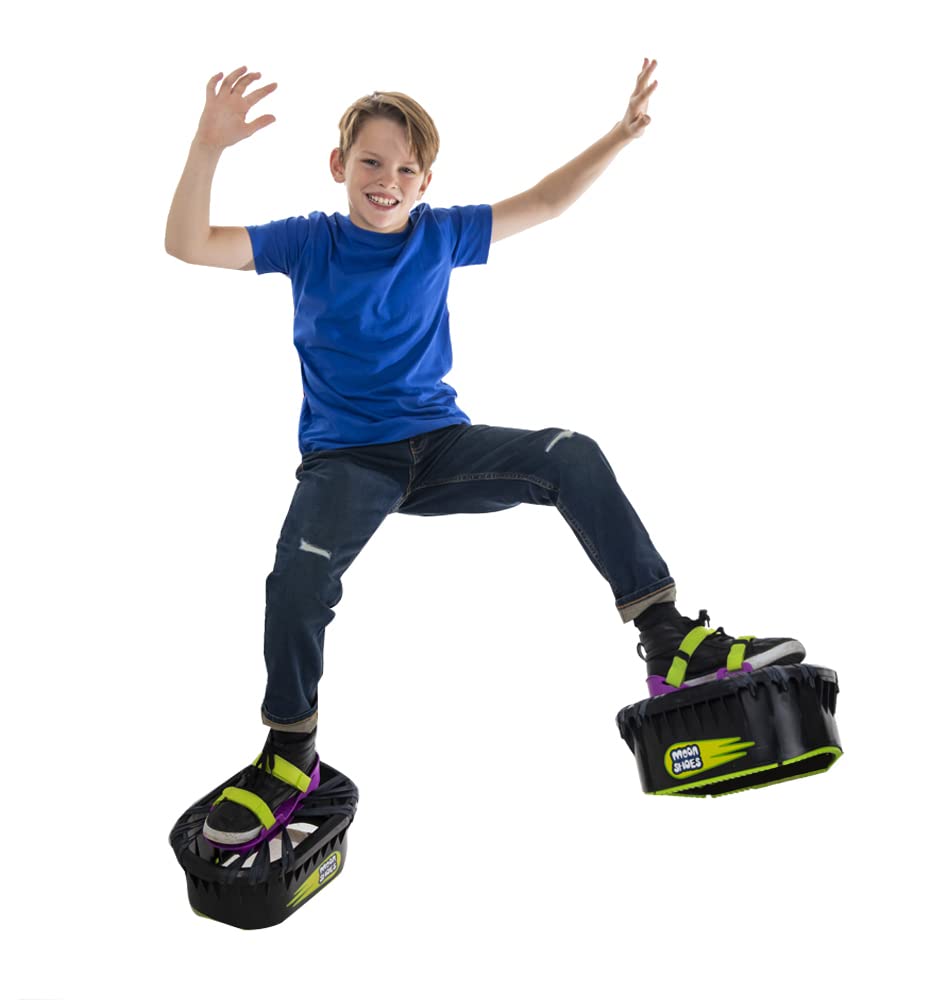
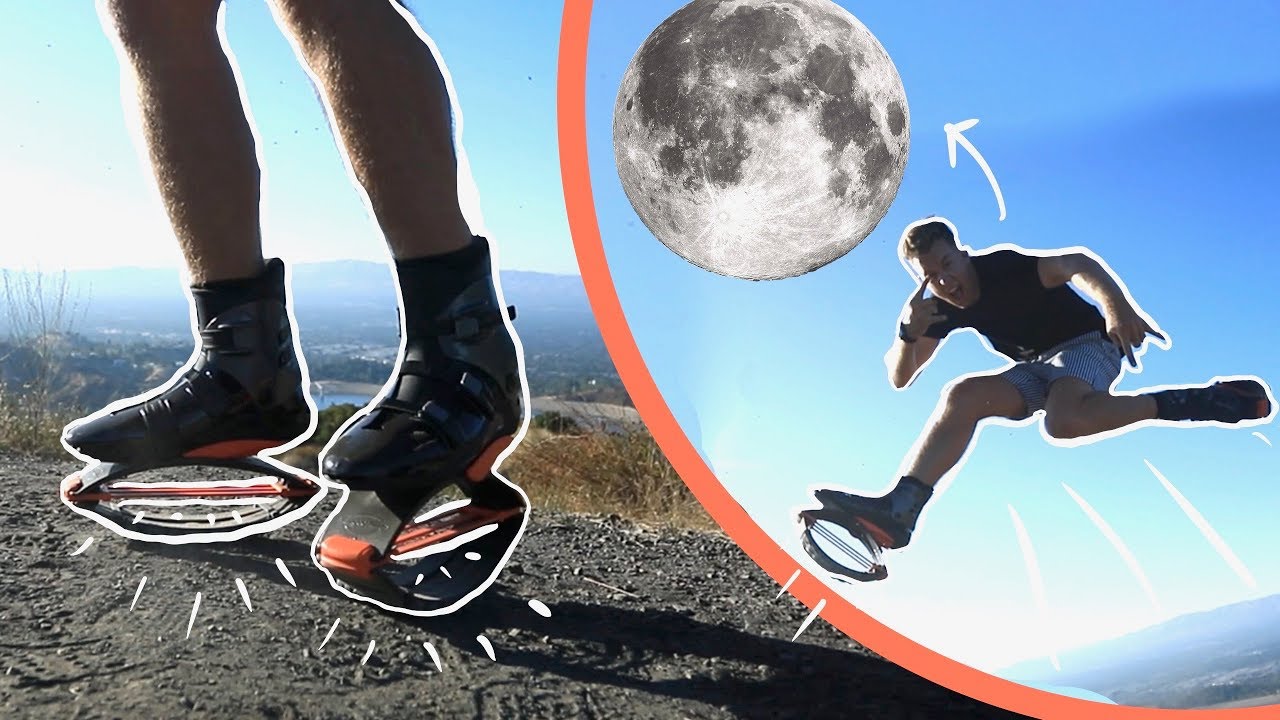
Trampoline shoes have emerged as a unique blend of fitness innovation and playful lifestyle accessory, capturing attention globally for their ability to merge exercise with enjoyment. These shoes, also referred to as rebound shoes or jumping shoes, incorporate spring-loaded soles designed to reduce impact on joints while providing an exhilarating bouncing experience. Beyond being a fitness novelty, trampoline shoes have influenced areas such as recreational sports, therapeutic exercises, and urban lifestyle trends. This article delves deep into the history, objectives, implementation, regional impact, state-level benefits, social implications, success stories, challenges, and future prospects of trampoline shoes, providing a holistic understanding of their significance.
The Origins of Trampoline Shoes
The concept of trampoline shoes traces back to the broader idea of rebound exercise, which gained prominence in the 20th century. Initially, rebounders, or small trampolines, were used in physical therapy and fitness routines due to their ability to enhance cardiovascular health, strengthen muscles, and improve balance with low impact. Innovators recognized the potential of incorporating these principles into footwear, leading to the development of shoes with integrated spring systems. These designs allowed users to mimic the benefits of trampoline exercise without requiring bulky equipment, offering convenience and portability.
The earliest commercially successful trampoline shoes were introduced in the 1990s, primarily targeting fitness enthusiasts and athletes. Over time, the shoes evolved in design, materials, and functionality, adopting lightweight polymers, enhanced cushioning systems, and ergonomic soles. Modern trampoline shoes are not only functional but also stylish, catering to the growing demand for fitness-oriented lifestyle products.
Objectives and Purpose
The primary objective of trampoline shoes is to promote physical activity while reducing stress on the joints and bones. Conventional exercise routines, such as running or high-impact aerobics, can strain the knees, hips, and lower back. Trampoline shoes offer an alternative by absorbing shock and distributing pressure more evenly across the feet and legs. This makes them suitable for people of all ages, including children, adults, and the elderly.
Another significant purpose of trampoline shoes is to make fitness engaging and fun. By adding a playful bouncing element to daily movement, these shoes encourage consistent activity, especially among individuals who might otherwise find traditional workouts monotonous. Moreover, they have therapeutic applications. Physical therapists often recommend rebound activities to improve coordination, enhance lymphatic circulation, and support rehabilitation from certain injuries.
Design and Technology
Modern trampoline shoes incorporate innovative engineering and materials science. The core component is the spring mechanism, typically constructed from durable yet flexible materials such as high-grade plastics or lightweight metals. This spring system compresses under weight and releases energy upon lifting the foot, creating a natural rebound effect. Some designs include multiple springs or curved soles to maximize bounce efficiency.
Cushioning layers made of EVA (ethylene-vinyl acetate) or memory foam enhance comfort and reduce the risk of joint strain. Additionally, ergonomic footbeds support natural foot alignment, preventing overpronation or supination. Manufacturers have also integrated non-slip soles and breathable materials to ensure safety and comfort during prolonged use. The combination of these features ensures that trampoline shoes are not only functional but also durable and versatile for various settings, including indoor gyms, outdoor parks, and urban streets.
Regional Impact and Popularity
Trampoline shoes have witnessed varying degrees of adoption across different regions, influenced by fitness trends, cultural openness to innovative exercise equipment, and socioeconomic factors. In North America and Europe, the fitness and wellness industry has embraced these shoes as part of a growing trend towards fun, functional exercise gear. Their popularity has spurred recreational activities, urban fitness events, and community programs that incorporate trampoline shoe routines.
In Asia, countries like Japan and South Korea have integrated trampoline shoes into lifestyle trends, leveraging social media to popularize “bounce workouts” and aerobic sessions. The trend has also spread to urban centers in India and Southeast Asia, where fitness enthusiasts adopt trampoline shoes as part of holistic wellness routines. This regional impact underscores the global appeal of trampoline shoes, highlighting their potential to bridge recreational enjoyment and health benefits across diverse populations.
State-Level Initiatives and Fitness Programs
Some regions have incorporated trampoline shoes into broader fitness and wellness initiatives. Municipal governments and fitness councils in certain U.S. states, for example, have introduced public exercise sessions using trampoline shoes in parks, aiming to encourage physical activity in safe and enjoyable ways. Schools and educational institutions have also piloted trampoline shoe programs to combat childhood obesity and promote active lifestyles among students.
Similarly, in European countries like Germany and Sweden, trampoline shoes have found a place in community fitness schemes. Local fitness centers provide training sessions using rebound shoes, targeting both adults and senior citizens. These programs align with social welfare initiatives aimed at promoting public health, reducing medical expenses related to sedentary lifestyles, and improving overall quality of life.
Social and Health Benefits
The adoption of trampoline shoes offers multiple social and health benefits. From a health perspective, studies indicate that rebound exercise enhances cardiovascular performance, stimulates lymphatic circulation, and strengthens lower body muscles without excessive strain. Trampoline shoes, by extension, facilitate these benefits in a convenient, portable format.
Socially, trampoline shoes have created communities of enthusiasts who engage in group workouts, online challenges, and instructional classes. Such activities foster social cohesion, improve mental well-being, and provide a sense of motivation and accountability. Fitness communities that emphasize playful exercise help reduce stress, combat anxiety, and promote a positive approach to health and wellness.
Moreover, trampoline shoes have contributed to inclusive fitness. They are suitable for individuals with joint vulnerabilities or mobility challenges, expanding access to exercise opportunities for diverse populations. In regions with social welfare initiatives, trampoline shoe programs have been integrated as part of broader health promotion and preventive care strategies.
Success Stories and Case Studies
Several success stories demonstrate the impact of trampoline shoes in improving fitness outcomes. For instance, a community fitness center in California implemented a “Bounce Back” program where participants used trampoline shoes for 30 minutes daily over three months. Participants reported improved cardiovascular endurance, reduced joint pain, and higher overall satisfaction with their exercise routine.
In Europe, a rehabilitation center in the Netherlands introduced trampoline shoes as part of post-injury physiotherapy. Patients recovering from lower-limb injuries experienced faster mobility restoration and enhanced balance compared to traditional walking exercises. These case studies highlight the effectiveness of trampoline shoes in both recreational and therapeutic contexts.
Challenges and Considerations
Despite their advantages, trampoline shoes present certain challenges. Safety remains a primary concern, particularly for beginners. Incorrect use can lead to falls or ankle injuries, especially on uneven surfaces. Manufacturers recommend gradual acclimatization, proper footwear sizing, and exercising in controlled environments.
Another challenge is accessibility and cost. High-quality trampoline shoes can be expensive, limiting adoption among lower-income populations. Additionally, cultural acceptance varies; some regions may perceive bouncing shoes as unconventional, slowing widespread adoption.
Environmental concerns also arise due to the materials used in manufacturing. Durable plastics and metals require responsible recycling and disposal to minimize ecological impact. Addressing these challenges through awareness campaigns, subsidized programs, and sustainable manufacturing practices is essential for long-term growth.
Comparisons with Traditional Exercise Equipment
Trampoline shoes offer several advantages over conventional exercise equipment such as treadmills, stationary bikes, or gym-based aerobics. Unlike treadmills, which primarily target cardiovascular fitness, trampoline shoes engage multiple muscle groups simultaneously, improving balance, coordination, and lower-body strength. Compared to stationary exercises, trampoline shoes are portable, allowing users to exercise in diverse environments, from homes to parks.
However, trampoline shoes are not intended to replace traditional equipment entirely. High-intensity training or heavy strength exercises may still require conventional gym tools. Instead, trampoline shoes complement existing routines, adding variety, fun, and joint-friendly alternatives to conventional workouts.
Future Prospects and Innovations
The future of trampoline shoes appears promising, driven by continued interest in innovative fitness solutions and wellness trends. Manufacturers are investing in advanced materials, digital integration, and ergonomic designs. Smart trampoline shoes with sensors could track bounce counts, calories burned, and balance metrics, integrating seamlessly with fitness apps and wearable technology.
Market expansion into therapeutic and rehabilitative applications is also likely. Hospitals and physical therapy centers may adopt trampoline shoes for structured rehabilitation programs, benefiting patients recovering from surgeries or chronic conditions. Additionally, partnerships with educational institutions, community centers, and wellness initiatives could enhance public health outcomes, particularly in regions prioritizing preventive care and active lifestyles.
The cultural influence of trampoline shoes is expected to grow as social media challenges, influencer promotions, and urban fitness trends popularize this innovative footwear. With proper safety education, accessibility improvements, and sustainable production, trampoline shoes could become a mainstream fitness and lifestyle accessory worldwide.
Policy and Social Welfare Implications
While trampoline shoes are primarily a consumer product, they intersect with policy frameworks and social welfare initiatives in meaningful ways. Governments and local authorities increasingly recognize the importance of preventive health measures, and promoting accessible, safe exercise options is a key strategy. Community programs that incorporate trampoline shoes can support public health goals, reduce healthcare costs, and encourage physical activity among children, seniors, and marginalized populations.
Some initiatives also align with women empowerment and inclusive fitness schemes. By providing access to innovative, low-impact exercise equipment, women and individuals with mobility limitations can engage in safe physical activity, contributing to broader health and social equity objectives. State-level adoption of trampoline shoe programs in community centers and schools demonstrates a practical application of such policy objectives.
Environmental and Manufacturing Considerations
The production of trampoline shoes involves both opportunities and challenges from an environmental perspective. High-quality materials such as durable plastics, metals, and synthetic foams are required to ensure safety and longevity. However, responsible sourcing, recycling, and waste management are crucial to minimize ecological impact. Manufacturers are increasingly exploring biodegradable polymers, recyclable materials, and energy-efficient production methods.
Sustainable practices not only reduce environmental harm but also enhance the market appeal of trampoline shoes among environmentally conscious consumers. Integrating eco-friendly initiatives with public health objectives ensures that trampoline shoes contribute positively to both individual well-being and societal sustainability goals.
Conclusion
Trampoline shoes represent a remarkable fusion of fitness innovation, recreational enjoyment, and social impact. Their history, design, and functional versatility demonstrate a commitment to enhancing health outcomes while promoting playful, engaging exercise experiences. From regional adoption and state-level initiatives to therapeutic applications and social benefits, trampoline shoes have carved a niche in the global wellness landscape.
Despite challenges related to safety, cost, and environmental considerations, the prospects for trampoline shoes remain strong. Technological advancements, policy support, and increased public awareness are likely to propel their adoption further, making them an integral part of future fitness and lifestyle solutions. By combining innovation, accessibility, and health benefits, trampoline shoes exemplify how creative approaches to exercise can transform lives while supporting broader social welfare objectives.
Frequently Asked Questions
What are trampoline shoes?
Trampoline shoes are specialized footwear with spring-loaded soles designed to provide a bouncing effect, reducing joint impact while enhancing physical activity.
How do trampoline shoes benefit health?
They improve cardiovascular fitness, strengthen lower-body muscles, enhance balance, support lymphatic circulation, and reduce strain on joints compared to high-impact exercises.
Who can use trampoline shoes?
People of all ages, including children, adults, seniors, and individuals in rehabilitation, can safely use trampoline shoes with proper guidance and precautions.
Are trampoline shoes safe for beginners?
Yes, but beginners should start gradually, use controlled environments, and follow sizing and usage instructions to minimize the risk of falls or injuries.
Can trampoline shoes replace traditional workouts?
Trampoline shoes complement traditional exercise routines by adding variety and low-impact options. They are not a complete replacement for strength or high-intensity training.
Where are trampoline shoes most popular?
Trampoline shoes have gained popularity in North America, Europe, and parts of Asia, where fitness trends, urban lifestyles, and recreational activities encourage adoption.
What is the future of trampoline shoes?
Future developments include smart shoes with digital tracking, broader therapeutic applications, and integration into community fitness and wellness initiatives.

